


Granny Horror Game Experience Inside a Silent House of Fear
Introduction to a Dark Survival Challenge
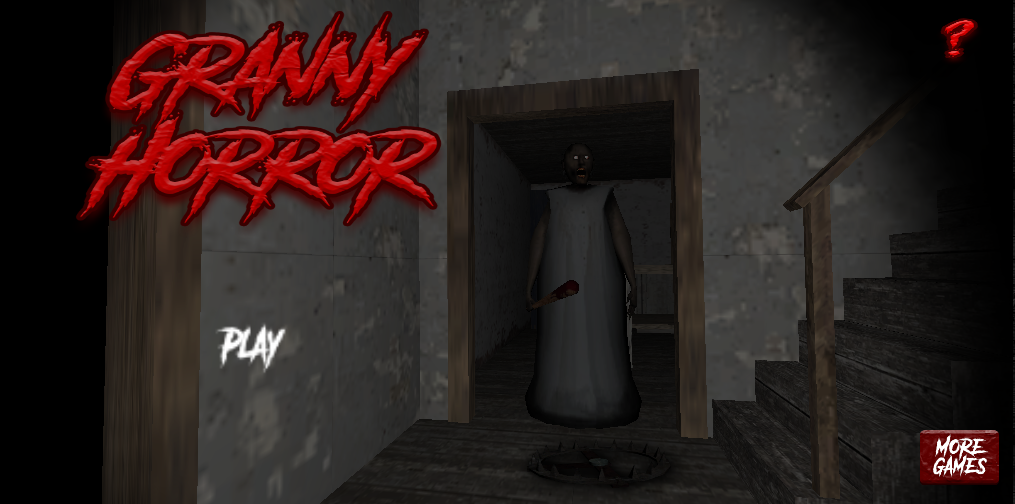
Granny is a mobile horror game that builds fear through silence, tension, and constant danger. The experience takes place inside an old house filled with locked doors, hidden tools, and narrow hallways. A player wakes up in a small room with one clear goal: escape within five days. Every movement matters. Every sound can lead to disaster. The atmosphere feels heavy, and the sense of isolation grows stronger with each step.
Unlike action-heavy horror titles, Granny focuses on stealth and problem solving. There are no powerful weapons, no dramatic combat scenes, and no safe companion. The only advantage comes from patience and careful planning. This design creates a slow, creeping form of fear that stays in the mind long after the screen goes dark.
Core Gameplay and Survival Mechanics
Movement, Sound, and Risk
Movement inside the house must stay slow and deliberate. A dropped object or a sudden step can create noise that alerts Granny. When sound travels through the building, danger quickly follows. Granny moves fast and always investigates strange noise. Hiding under a bed or inside a wardrobe becomes the main defense.
The sound system plays a huge role in tension. A quiet hallway can feel safe, but one mistake changes everything. A player learns to observe surroundings before acting. Open doors can create new paths but also new risks. A fallen object on the floor can turn a safe plan into a chase.
Puzzle Solving Under Pressure
Escape requires collecting items scattered around the house. Keys, tools, and special objects unlock new areas. Some puzzles involve finding combinations. Others need careful timing to avoid detection. Progress feels rewarding because each solved puzzle brings the exit closer.
Pressure makes every decision harder. A player may know where an item is located but still hesitate. Granny may patrol nearby. A wrong move can waste a day. Losing all days leads to failure and a restart. This system keeps stakes high without using complex mechanics.
House Design and Environmental Storytelling
Layout That Builds Tension
The house layout feels like a maze. Small rooms connect through creaking doors. Dark basements hide dangerous surprises. Narrow stairways limit escape routes. Each location carries a different mood. Some rooms feel almost safe, while others seem threatening even before Granny appears.
Lighting stays dim, which adds uncertainty. A player never sees everything clearly. Shadows make normal objects look suspicious. The design pushes imagination to fill gaps, and that mental effect increases fear more than loud jump scares.
Objects That Tell Silent Stories
The environment suggests a history without clear explanation. Old furniture, broken walls, and strange devices hint at events from the past. There are cages, secret passages, and locked containers that create curiosity. The house feels like a place with secrets waiting to be discovered.
This storytelling style lets imagination work freely. Instead of direct narrative, the setting encourages interpretation. That mystery makes exploration feel meaningful rather than repetitive.
Granny as a Horror Antagonist
Behavior That Feels Unpredictable
Granny acts as a constant threat. She listens for sound, checks rooms, and reacts quickly. Her movement pattern does not feel entirely predictable, which keeps tension alive. A player never feels fully safe, even after hiding successfully many times.
Her presence alone creates fear. Footsteps in a hallway or the sound of a door opening nearby can freeze movement. The design avoids long cinematic scenes. Instead, fear comes from sudden encounters during normal gameplay.
Psychological Impact of Pursuit
Being chased inside a small space causes panic. A player must think fast while under stress. Wrong turns, closed doors, or blocked paths can end the attempt quickly. These moments create strong emotional reactions. Relief comes only after reaching a safe hiding place.
This cycle of tension and relief keeps engagement high. Even repeated attempts feel intense because each run plays out differently.
Difficulty and Replay Value
Adjustable Challenge Levels
Granny includes multiple difficulty levels. Easier modes reduce enemy speed and danger. Harder modes add extra traps and increase risk. This system allows different types of players to enjoy the game.
New players can learn house layout and puzzle solutions at a slower pace. Experienced players can challenge skills with higher difficulty. This flexibility supports long-term replay.
Multiple Escape Methods
There is more than one way to leave the house. Different escape routes require different tools and strategies. This design encourages experimentation. After one successful escape, a player may try a new method next time.
Variety keeps the experience fresh. Even after many sessions, discovering new paths or items can still surprise.
Sound Design and Atmosphere
Silence as a Source of Fear
The game uses silence more than music. Quiet moments feel heavy and uncomfortable. Small sounds become more noticeable, which increases tension. A creaking floor or a distant door can trigger anxiety.
Without constant background music, attention stays focused on environmental noise. This design choice strengthens immersion.
Simple Visual Style with Strong Mood
Graphics are not highly detailed, yet atmosphere remains powerful. Dark colors, low light, and simple textures create a bleak mood. Fear does not rely on visual complexity but on smart use of space and sound.
This proves that strong horror design depends more on mood than on technical detail.
Why Granny Remains Popular
Granny remains popular because it delivers pure tension without complicated systems. Controls stay simple, objectives remain clear, and fear builds naturally. Players enjoy testing courage and strategy in a confined, dangerous space.
Short play sessions also help popularity. A quick attempt can fit into a short break, yet the experience still feels complete. Failure leads to immediate retry, which encourages persistence.
The combination of stealth, puzzles, and atmosphere creates a memorable horror experience. Each run tells a different story shaped by player choices and unexpected events.
Conclusion: A Minimalist Horror That Leaves Strong Impact
Granny shows how simple design can create deep fear. A quiet house, a relentless enemy, and limited resources form a powerful survival challenge. The game avoids excessive explanation and lets tension grow naturally through gameplay.
For players who enjoy suspense, problem solving, and psychological pressure, this title offers a unique journey. Every step inside the house feels meaningful. Every sound matters. Escape brings relief, but the memory of tension lingers long after the screen fades.
Categories
Read More
Introduction to Granny Horror Experience Granny stands as one of the most intense mobile horror games available today. This game places players inside a locked house filled with danger, silence, and constant tension. Every movement matters, and every sound can trigger a deadly response. The goal remains simple: escape within five days. However, the journey toward that goal becomes a true test...
雨,淅淅沥沥地下着,像是天幕的一场低泣,轻轻拍打着窗外的叶子,也拍打着林源(化名)心底深藏的无助。 他坐在床边,指尖点燃一支廉价的香烟,烟雾缭绕中,浮现出这些年跌宕起伏的人生画面。他仿佛看到了16岁的自己,手握着扳手,站在车间里,汗水一滴滴滑落,稚嫩的脸庞被阳光晒得黝黑。他那时的心中有着少年人未磨平的棱角,想着只要努力,生活一定会给他一个满意的答复。 可他错了,生活不是童话,它是一个无声的巨人,总是在他拼尽全力时,将希望碾成尘埃。 2017年,油漆的味道弥漫在鼻尖,他埋头于钣金喷漆的工作中,日复一日,机械又重复。有人说,年轻人啊,手里有一门手艺,这就是财富。可林源知道,他的财富,是疲惫,是麻木,是午夜梦回时那一句“我到底为什么而活”。...

The Caucasus region, a unique bridge between Europe and Asia, has seen a remarkable surge in digital innovation over the past decade. While the world often associates Azerbaijan with rich oil reserves and ancient cultural heritage, the nation is increasingly becoming a hub for technology-driven platforms. Among these developments, Vulkan has emerged as an interesting case study. Originally...

Introduction to a Dark Survival Challenge Granny is a mobile horror game that builds fear through silence, tension, and constant danger. The experience takes place inside an old house filled with locked doors, hidden tools, and narrow hallways. A player wakes up in a small room with one clear goal: escape within five days. Every movement matters. Every sound can lead to disaster. The...