Super Bowl LX did not begin the way the New England Patriots had hoped against the Seattle Seahawks.
Seattle’s defense set the tone early and made life difficult for the Patriots’ offense to build confidence.
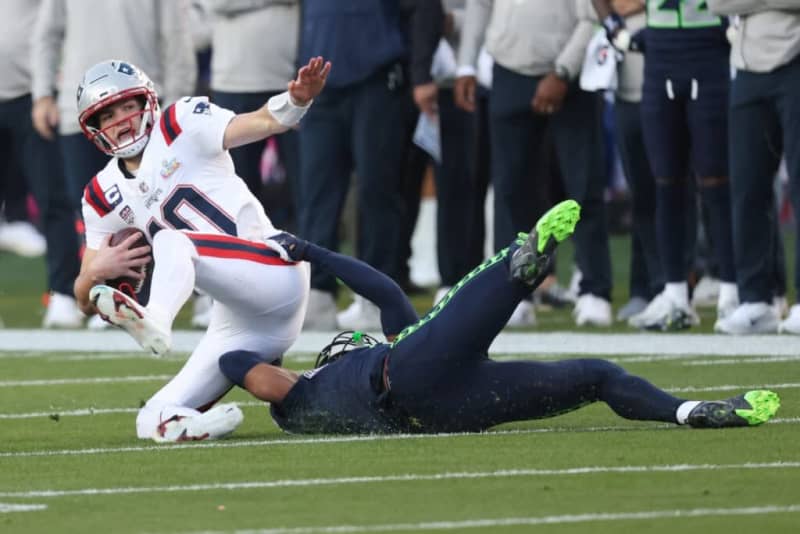
Quarterback Drake Maye faced consistent pressure as drives stalled and mistakes began to mount.
With momentum slipping away, the Patriots’ leaders became increasingly vocal on the sideline.
What Mike Vrabel told the Patriots’ offensive line after first-half struggles
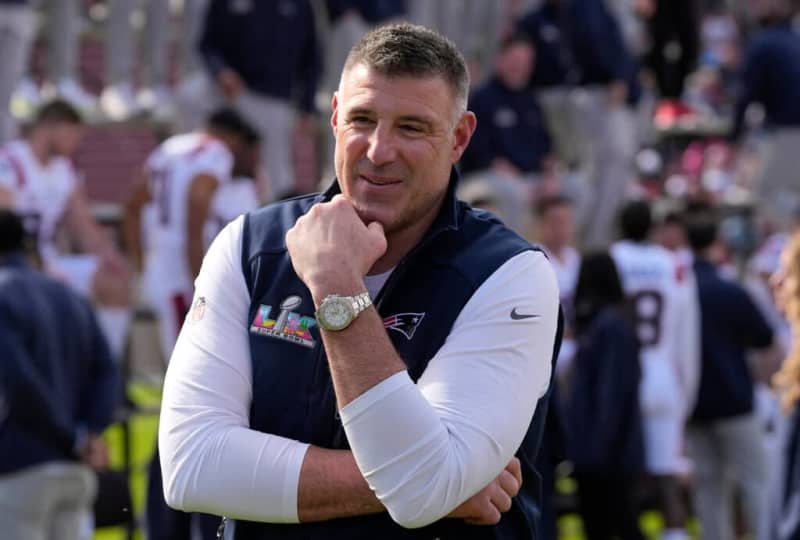
As the Patriots continued to struggle offensively, head coach Mike Vrabel addressed the offensive line directly during the difficult first half.
Seattle’s defensive front had consistently gotten into the backfield, disrupting protection and forcing Maye into uncomfortable situations.
Vrabel delivered a short but confident message aimed at settling the group rather than criticising them.
“We’re going to gain yards. We’re going to go play,” he told the offensive line.
The message reflected Vrabel’s belief that better execution, rather than drastic changes, was needed to turn the game around.
It was designed to remind the unit that the game was still there to be played despite the early pressure from Seattle’s defense.
Morgan Moses gathered Patriots offense to reset mindset
Before Vrabel spoke to the offensive line, veteran tackle Morgan Moses gathered the entire Patriots offense together on the sideline.
His message focused on perspective and accountability after a frustrating opening stretch.
“Morgan Moses gathered the entire Patriots offense and said, ‘We knew it was going to be 60 minutes. We’re here. We’ve arrived. We’re killing ourselves. Let’s play our game.”
Moses emphasised that the Patriots were hurting themselves more than anything else and needed to return to their identity.
His words were intended to calm the group and refocus their attention as they looked to respond after the break.
Read more: