Turnovers in the Super Bowl are rarely just about poor decision-making; often, they are the byproduct of high usage rates, elite defensive schemes, or the need to play from behind. Since 2000, as the league has shifted toward a pass-heavy identity, the volume of throws has naturally increased the opportunities for interceptions on the biggest stage. This list examines the quarterbacks who have conceded the most picks in the Big Game, highlighting how even the sport’s most accomplished passers are susceptible to the turnover margin.
10. Rex Grossman
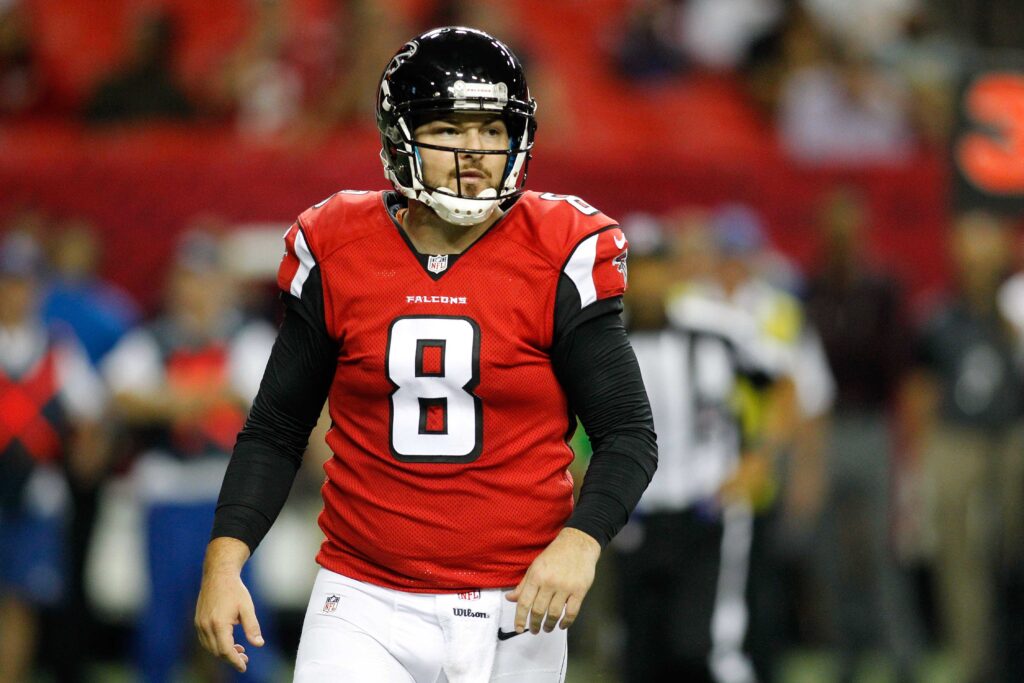
Interceptions: 2
Grossman’s performance in Super Bowl XLI was defined by the treacherous weather conditions in Miami and a formidable Indianapolis Colts defense. While the Bears remained competitive into the second half, Grossman surrendered two fourth-quarter interceptions as Chicago attempted to chase the game. These late turnovers halted potential scoring drives, allowing Indianapolis to control the clock and secure the victory in a rain-soaked contest.
9. Jimmy Garoppolo
Interceptions: 2
In Super Bowl LIV, Garoppolo played a disciplined game for three quarters, helping the 49ers build a ten-point lead over the Chiefs. However, as Kansas City mounted a late comeback, San Francisco was forced to abandon the run, leaving the passing attack to shoulder the burden. The resulting two interceptions occurred in the final minutes as Garoppolo attempted to force the ball downfield in a desperate bid to regain the advantage.
8. Kurt Warner
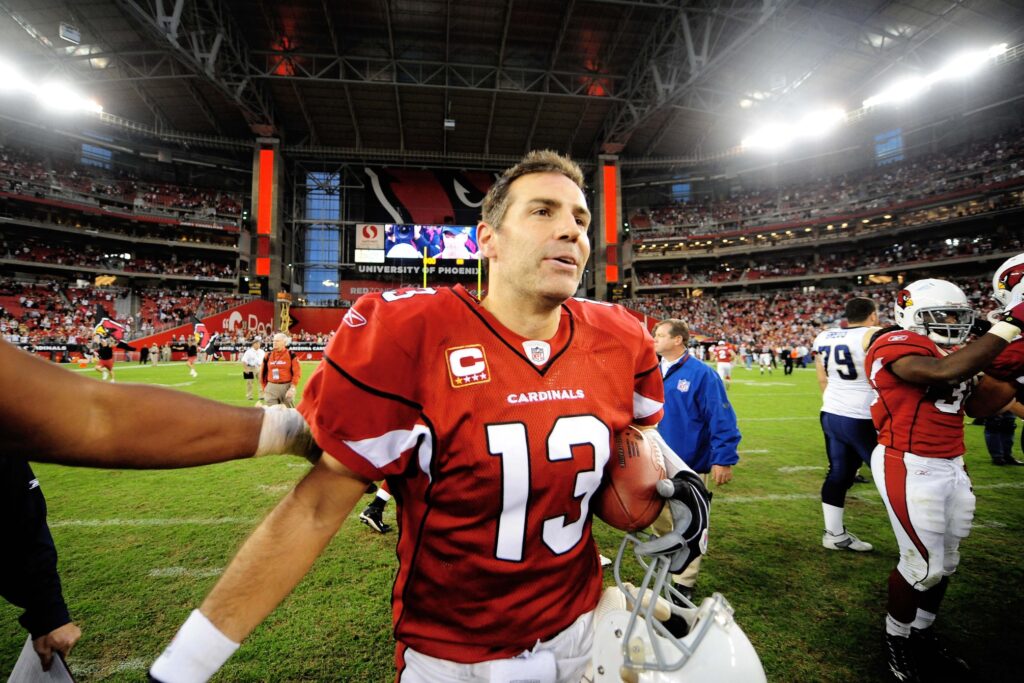
Interceptions: 3
Warner’s three interceptions are spread across three Super Bowl appearances, each coming against a high-caliber defense. Notable among them were the pick-six to Ty Law in Super Bowl XXXVI and the goal-line interception by James Harrison in Super Bowl XLIII; plays that swung the momentum in tight contests. Despite these errors, Warner’s aggressive passing style was also the primary reason his teams were in contention to begin with.
7. Donovan McNabb
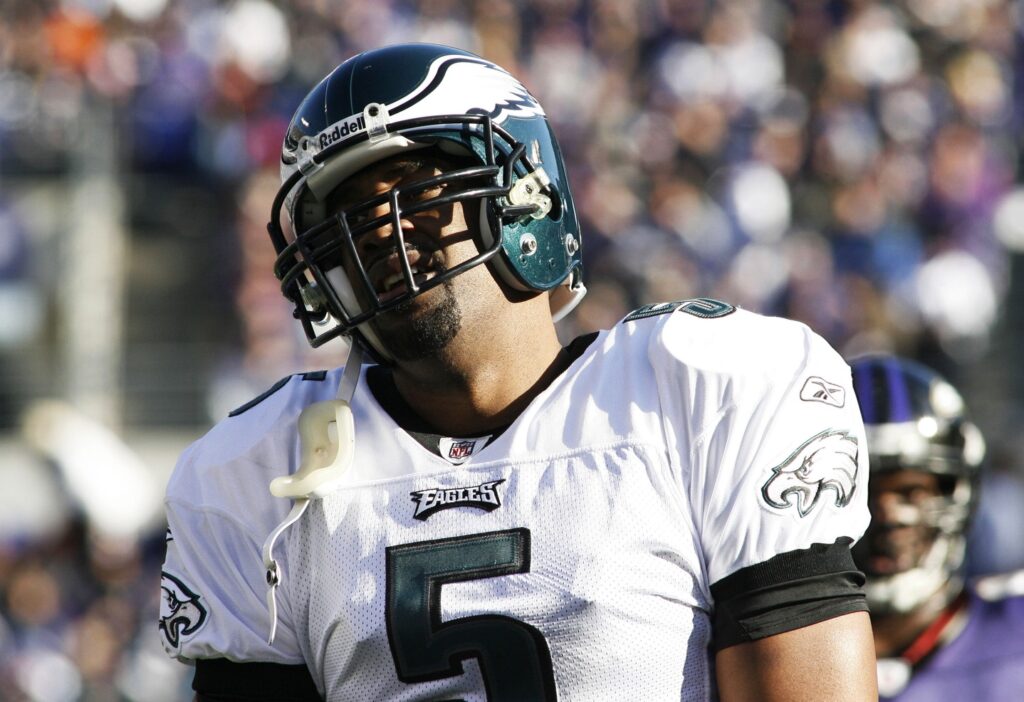
Interceptions: 3
Facing a complex New England defensive scheme in Super Bowl XXXIX, McNabb threw three interceptions while attempting to rally the Eagles from a deficit. Two of these turnovers occurred early, complicating Philadelphia’s game plan, while the third came late in the fourth quarter as the clock wound down. The statistics reflect a game in which McNabb was tasked with throwing into tight windows against a disciplined secondary that effectively disguised its coverages.
6. Kerry Collins
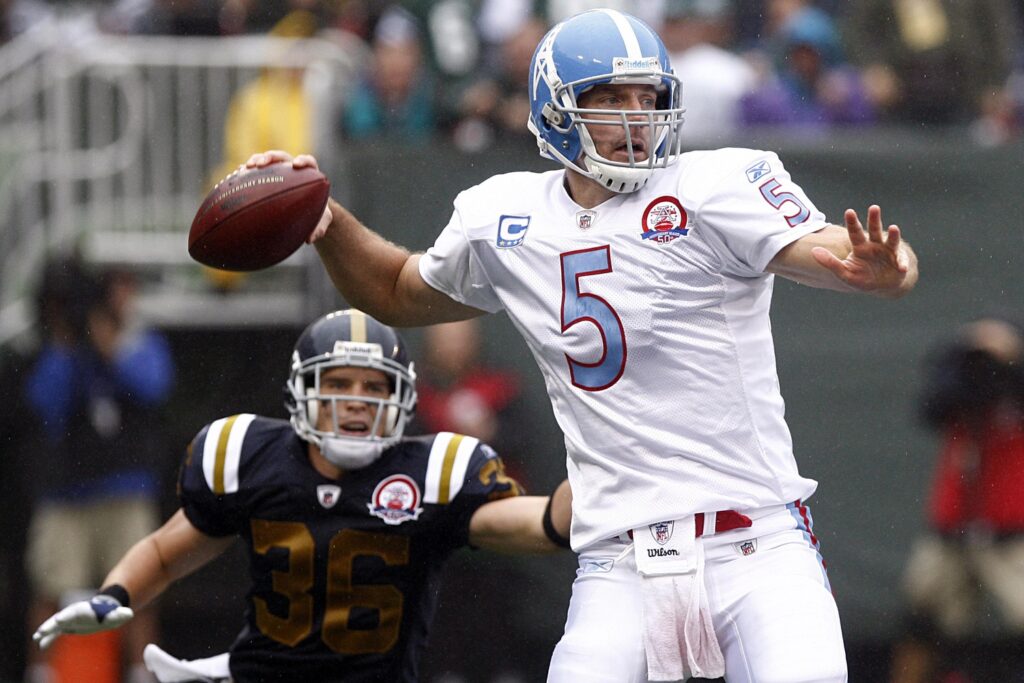
Interceptions: 4
Collins encountered one of the most statistically dominant defenses in NFL history during Super Bowl XXXV against the Baltimore Ravens. The constant pressure disrupted the Giants’ timing throughout the evening, leading to four interceptions as New York struggled to sustain offensive drives. The performance stands as a testament to Baltimore’s defensive coordination, which forced Collins into difficult reads and hurried throws.
5. Ben Roethlisberger
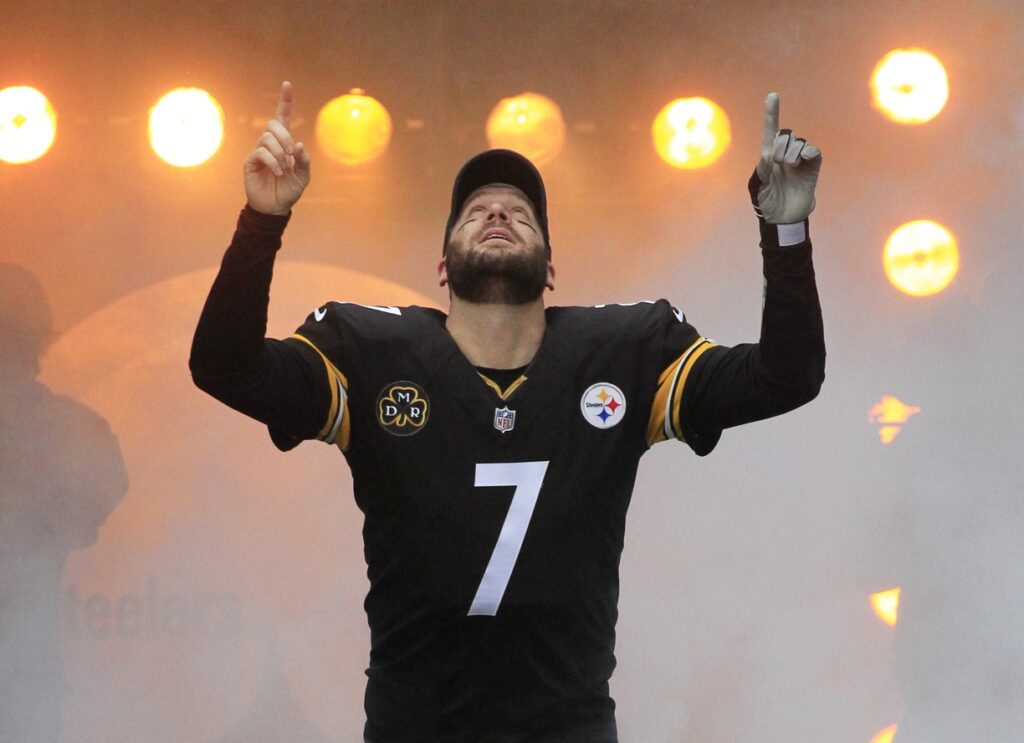
Interceptions: 5
Roethlisberger’s five interceptions were accumulated over three Super Bowl starts, two of which resulted in championships for the Pittsburgh Steelers. His willingness to extend plays and test defensive backs downfield led to turnovers, particularly in Super Bowl XL and the loss in Super Bowl XLV. However, this high-risk approach was also integral to the Steelers’ offensive identity, allowing them to generate explosive plays alongside the mistakes.
4. Peyton Manning
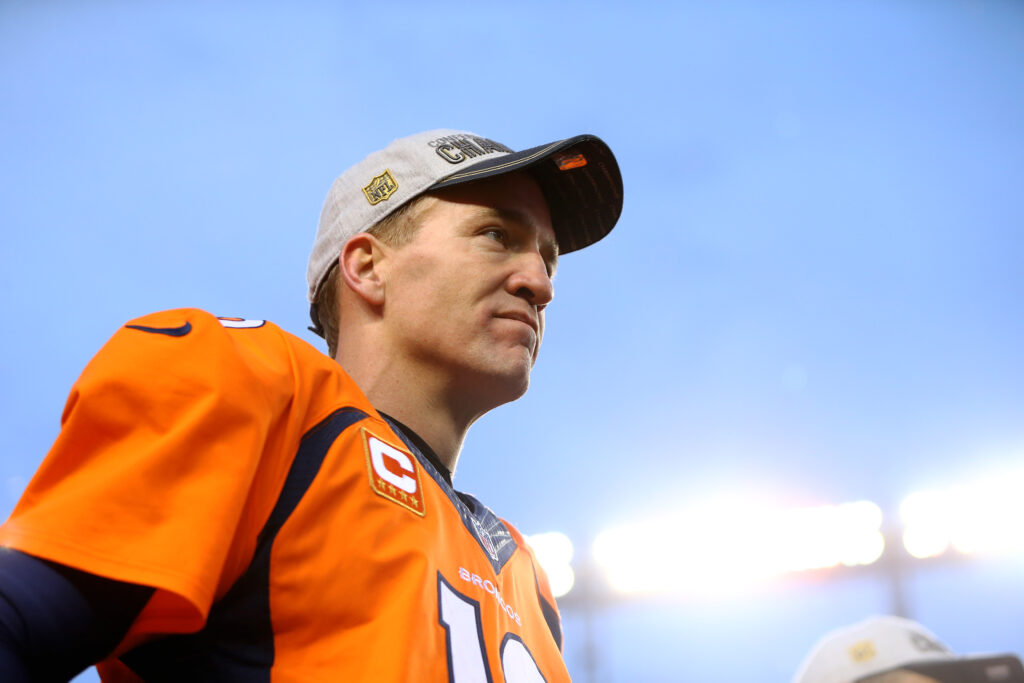
Interceptions: 5
Across four Super Bowl starts with two different franchises, Manning threw five interceptions, a figure that contrasts with his reputation for pre-snap precision. Defensive coordinators often designed specific game plans to confuse his reads, most famously resulting in the pivotal interception returned for a touchdown in Super Bowl XLIV. His turnover count is balanced against two Super Bowl victories and significant passing yardage totals throughout his postseason career.
3. Rich Gannon
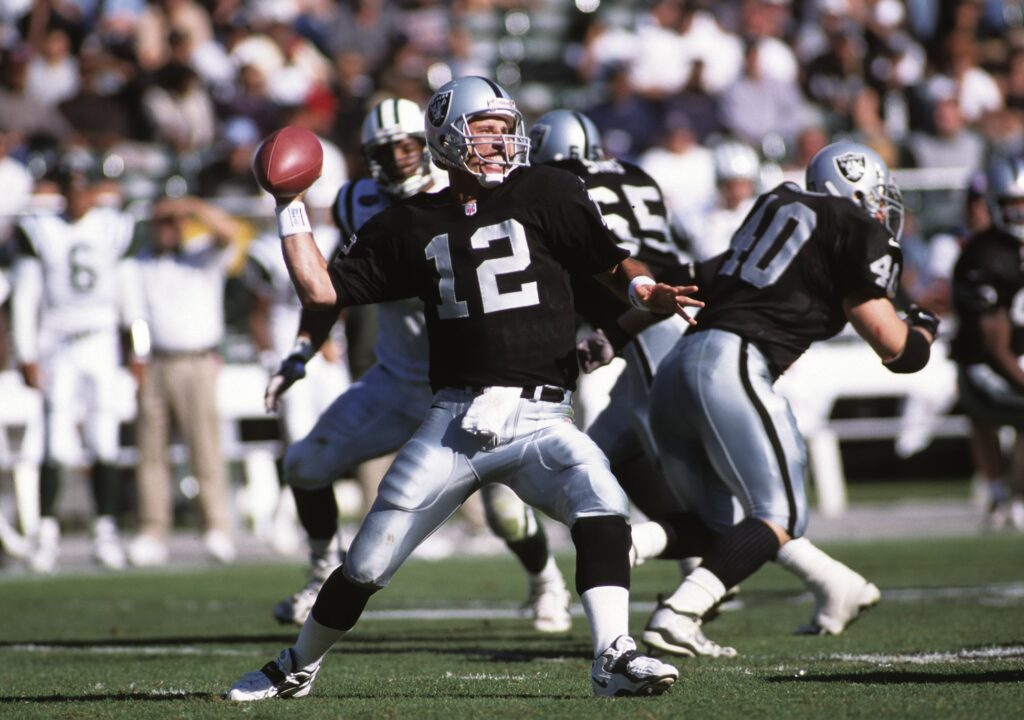
Interceptions: 5
Gannon’s five interceptions in Super Bowl XXXVII occurred in a single game where the opposing Tampa Bay defense possessed an intimate knowledge of the Raiders’ offensive system. Forced to throw 44 times as Oakland fell behind early, Gannon was repeatedly intercepted by defenders who anticipated his routes and timing. The performance remains a statistical outlier, driven largely by the unique tactical disadvantage Gannon faced against his former head coach.
2. Tom Brady
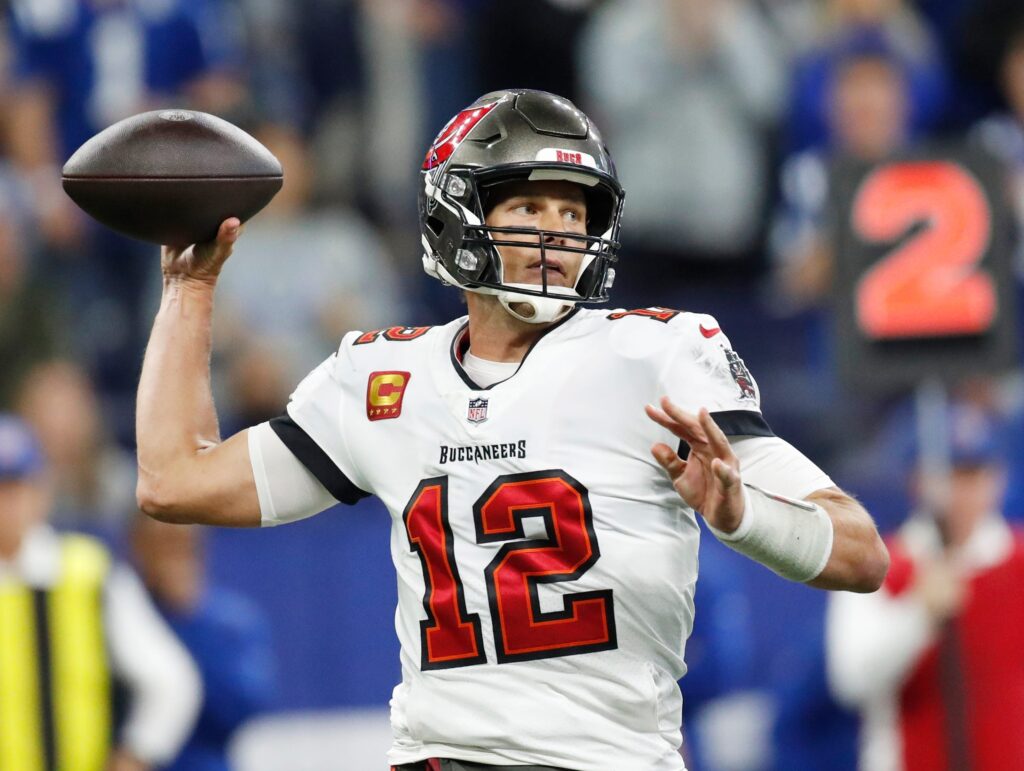
Interceptions: 6
With a record ten Super Bowl appearances, Brady’s six interceptions are statistically low relative to his unprecedented number of pass attempts. These turnovers rarely defined his overall performance, often serving as momentary setbacks in games where he otherwise controlled the tempo and field position. The total is a consequence of longevity and the sheer volume of offensive snaps he played on the final Sunday of the season over two decades.
1. Patrick Mahomes
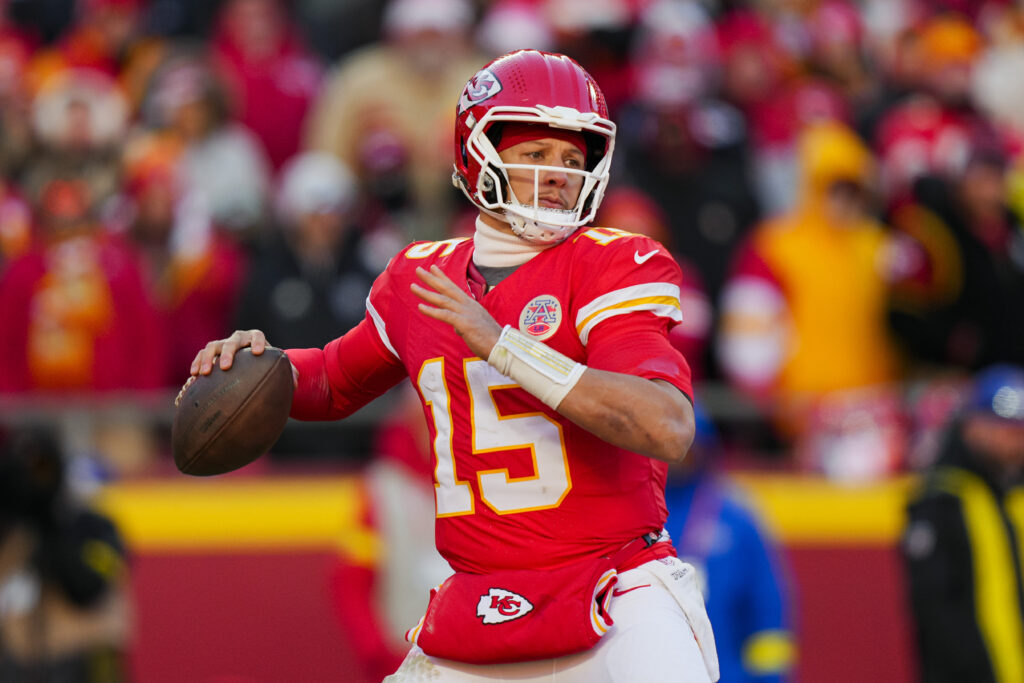
Interceptions: 7
Mahomes has accumulated seven interceptions over his five Super Bowl appearances, a figure influenced by his aggressive style and the need to play from behind. Notably, in games against Tampa Bay and the recent loss to Philadelphia, he was forced into high-risk situations to spark comebacks against elite pass rushes. His total reflects the immense burden placed on him to generate offense, often requiring him to attempt throws that other quarterbacks might decline.
The cost of doing business
While interception totals are traditionally viewed as a negative metric, this list is populated almost exclusively by Super Bowl champions and future Hall of Famers. It suggests that reaching and competing on the NFL’s biggest stage requires a level of assertiveness that naturally invites risk. Ultimately, these quarterbacks defined their eras, proving that the ability to overcome a turnover is often just as valuable as avoiding one.
The post NFL: Quarterbacks with the most interceptions in the Super Bowl since 2000 appeared first on The Big Lead.