Rewriting The Rules of Speed Enforcement
Here's something that'll make most car enthusiasts uncomfortable: a device that won't let you speed at all. The LifeSafer Intelligence Speed Assistance system plugs into your vehicle and uses GPS tracking plus an onboard speed limit database to actively manage your throttle. It knows where you are, what the posted limit is, and it won't let you exceed it. Simple as that.
Aimed at teen drivers, installation takes minutes and works across gas cars, EVs, hybrids, basically anything with four wheels. According to NHTSA data from 2023, 37 percent of male drivers aged 15-20 involved in fatal crashes were speeding. That's higher than any other age group. Traditional driver's ed teaches kids how to operate a car, but cannot hardwire good judgment into teenagers, which is where this device takes the wheel.

LifeSaver ISA
Anti-Speeding Turned Up To Eleven
The tech itself is pretty clever. The system pulls GPS coordinates, cross-references them with mapping data to detect posted limits, then adjusts throttle response in real-time. Approaching the limit? You'll feel acceleration tapering off. Push harder? More resistance. Hit the actual limit? The accelerator pedal will do absolutely nothing.
Safety advocate Tammy McGee’s 16-year-old son Connor died when another teen driver lost control, doing twice the speed limit. Now she works with LifeSafer, promoting technological solutions instead of just hoping kids make smart choices. The company's president, Michael Travars, calls the ISA system "training wheels for cars." The idea is mandatory installation during that crucial first year of driving, letting safe habits form in a controlled environment before removing the safety net.
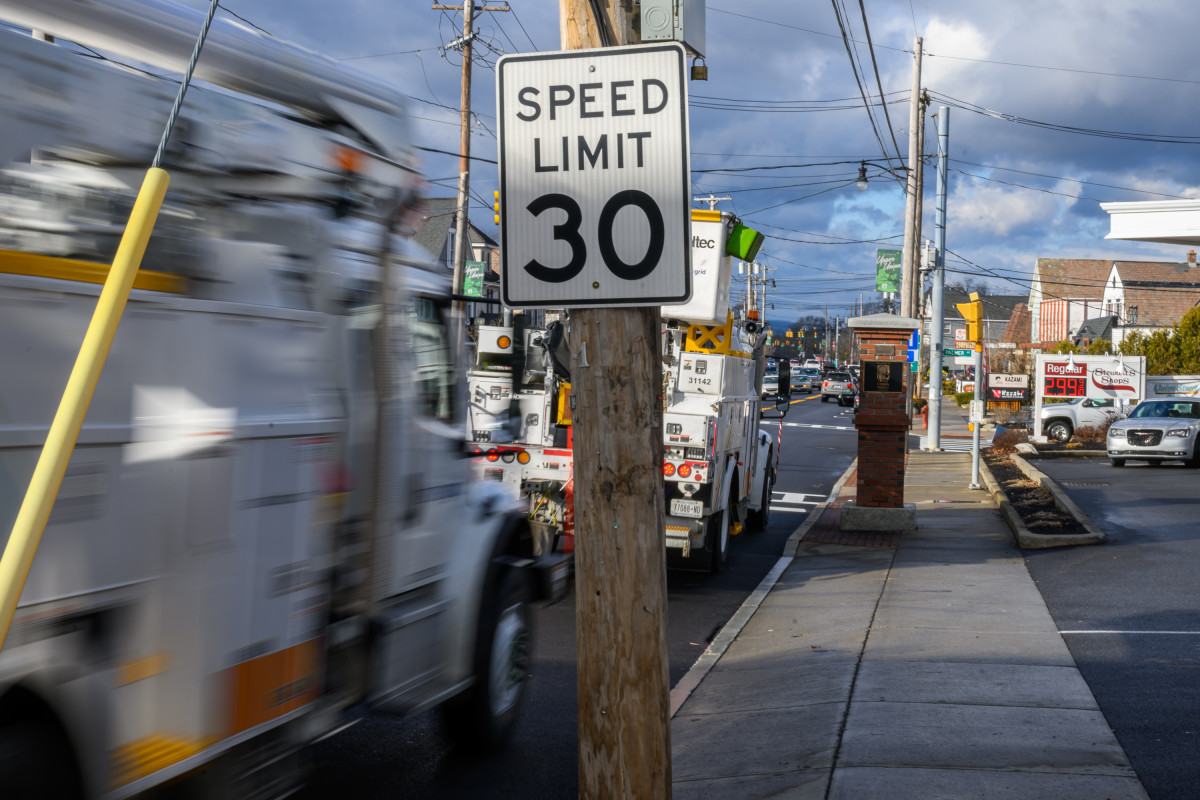
Getty Images
Habitual Speeders Could Also Be Targeted
LifeSafer's got a second target demographic: habitual speeders. The ones racking up tickets like there’s no tomorrow. Recent pilot programs with municipal vehicle fleets showed over 60 percent drops in speeding incidents across millions of driven miles. Fleet applications are revealing other benefits too: better fuel economy, less wear on vehicles, lower emissions, and reduced accident costs. Emergency vehicles can override the system when they flip on their sirens, so public safety response times aren't compromised.
Now, nobody likes the idea of their car telling them what to do. But our "freedom" to speed ends where someone else's safety begins. As roads get more congested and driver distraction becomes the norm, maybe we need to admit some of us need help keeping ourselves in check.