Mercedes-Benz has announced that its new self-driving system, MB.Drive Assist Pro, will become available in the United States later this year. This Level 2 system differs from the company’s MB Drive Pilot Level 3 technology, as MB.Drive Assist Pro still requires driver attentiveness. However, like Tesla’s Full Self-Driving suite, Merc’s new Level 2 system allows for point-to-point driving in urban areas. It’s possible to get to your destination without human intervention, even if navigating unexpected obstacles and driving off highways. Here’s what’s in store for Merc fans later this year.
A Smorgasbord Of Sensors
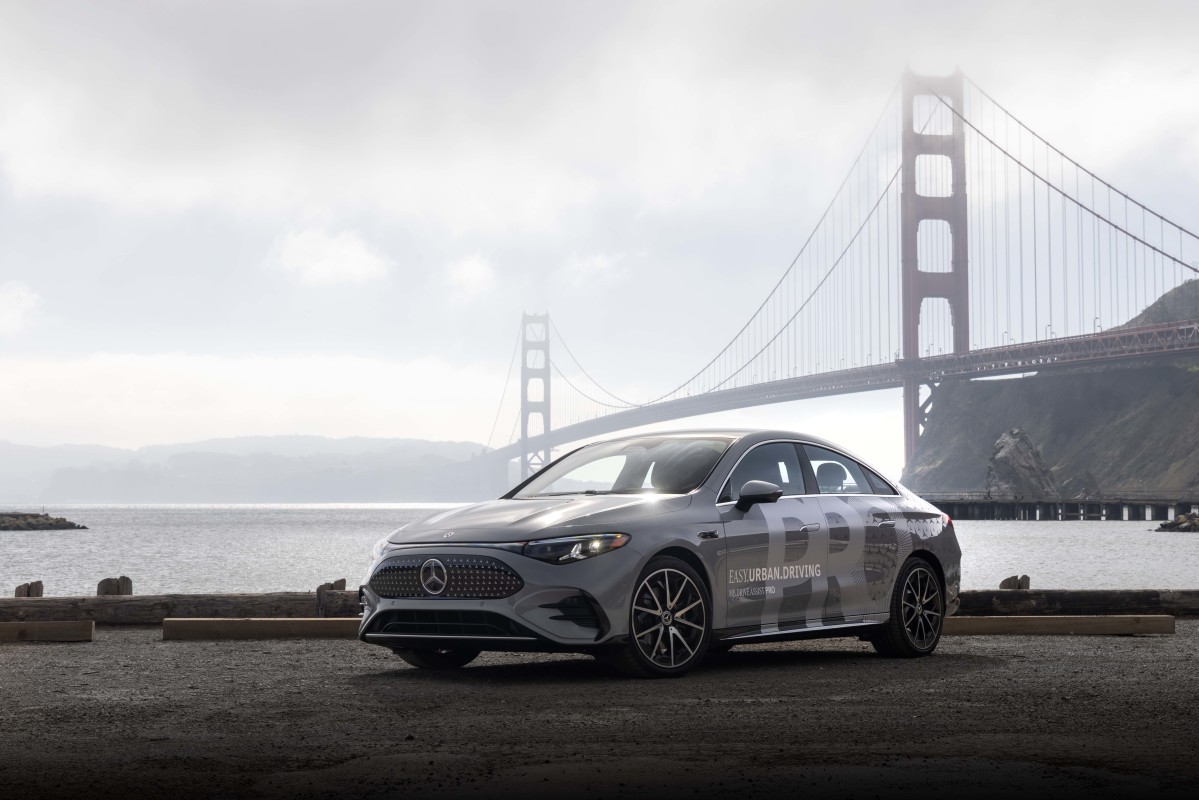
Mercedes CLA with MB.Drive Assist Pro
Mercedes-Benz
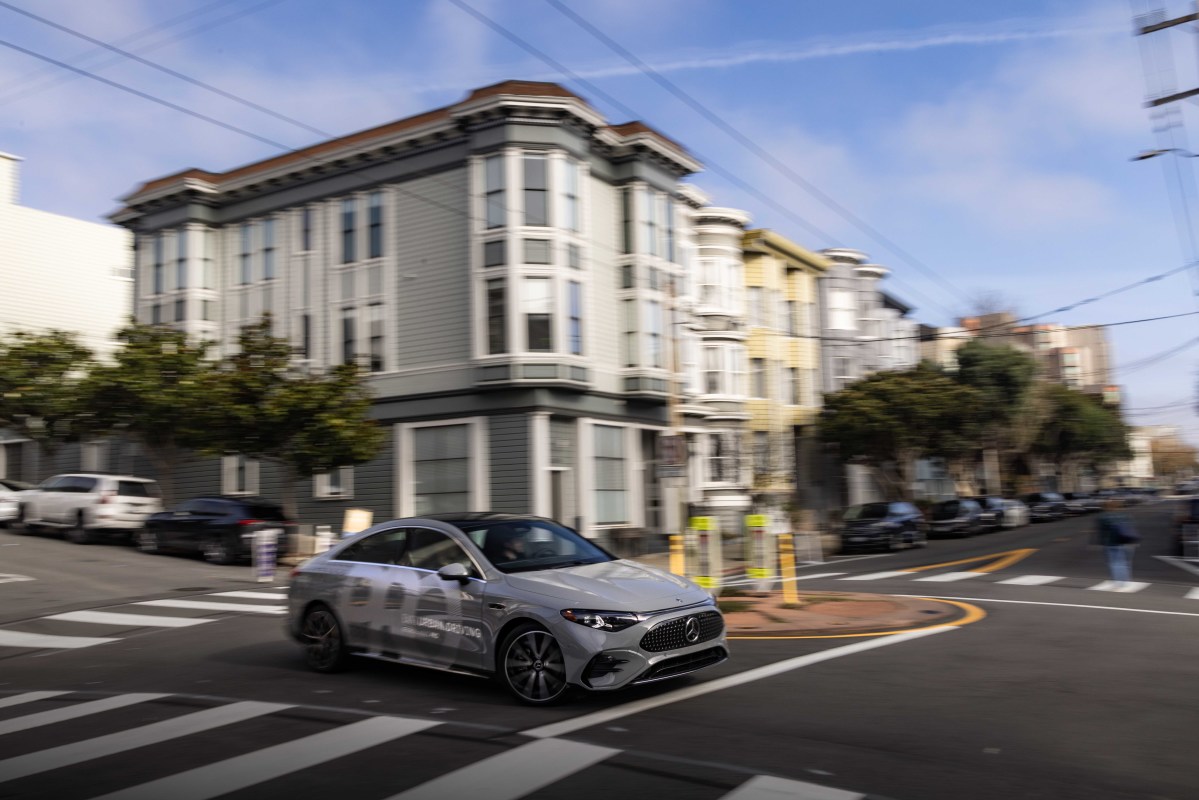
Tesla’s FSD relies exclusively on cameras to navigate from point to point, but Mercedes has gone a few steps further with MB.Drive Assist Pro. The system features around 30 sensors, including 10 cameras, five radars, and 12 ultrasonic sensors. These work together to feed data to a powerful supercomputer, which instantly calculates the best course of action when dealing with unpredictable scenarios. Instead of using separate navigation and driver-assistance functions, these are all combined into one setup that uses cooperative steering; even if the driver temporarily takes control of the steering, simply removing your hands will automatically re-engage the autonomous driving mode.
Mercedes-Benz
The self-driving system is powered by the full-stack Drive AV software and AI infrastructure from Nvidia. Nvidia says the system has redundancy and safety guardrails, along with the ability to execute lane changes and respond proactively to vulnerable road users like cyclists. The tech will initially be available on the newly revealed CLA.
“Starting with Mercedes-Benz and its incredible new CLA, we’re celebrating a stunning achievement in safety, design, engineering and AI-powered driving that will turn every car into a living, learning machine,” said Ali Kani, vice president of automotive at Nvidia.
New Challengers For Tesla’s Point-to-Point Driving
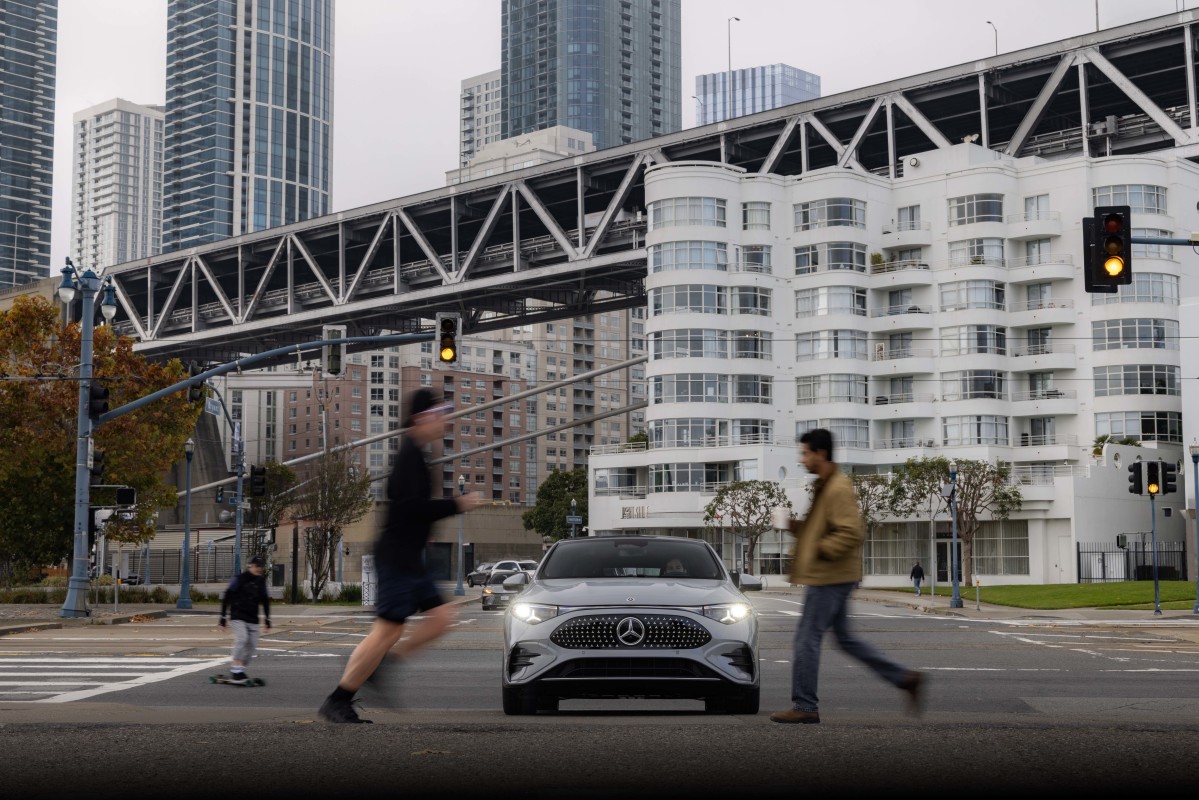
Mercedes CLA with MB.Drive Assist Pro
Mercedes-Benz
Say what you want about Tesla’s FSD and its safety concerns, but for many people, it’s the most accessible self-driving system that can get you from point A to B with minimal or zero human intervention, especially following a series of updates last year. Most other Level 2 systems operate only on specific highways and can’t handle the unique challenges of urban environments. Tesla’s system can even be added to the base Model 3 Standard, so it’s not limited to the brand’s flagship models.
Rivian
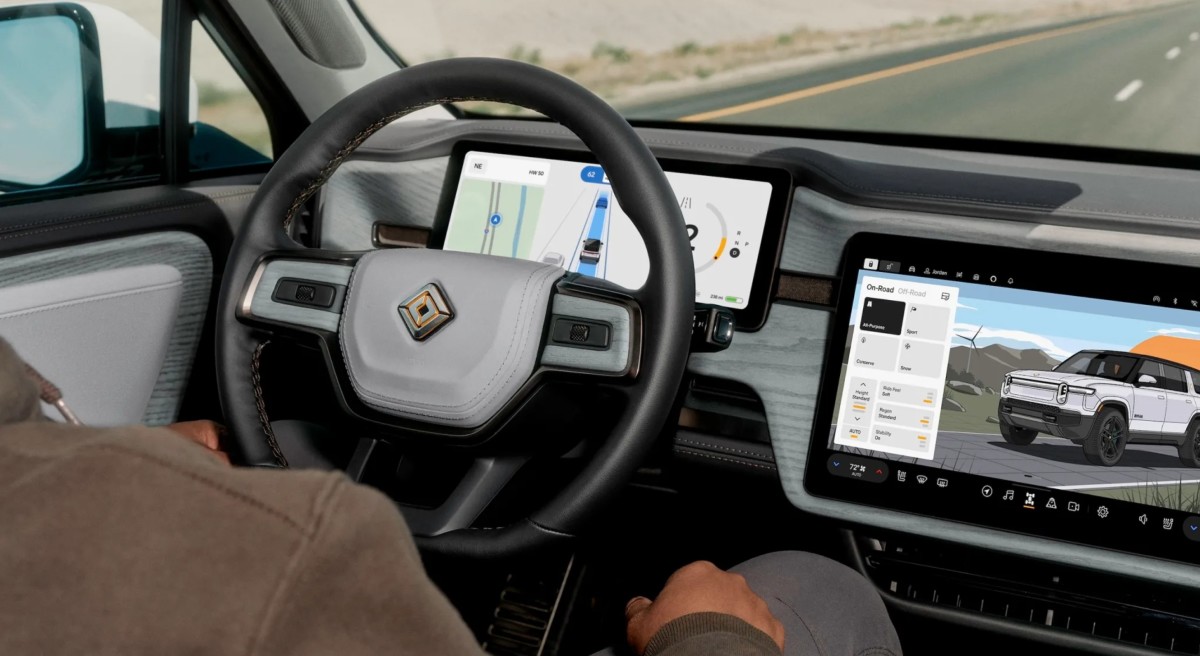
But others are catching up fast. Besides Merc’s new MB.Drive Assist Pro, which costs $3,950 on the CLA, Rivian recently introduced its Universal Hands Free (UHF) system, which can handle driving duties off highways, too. Rivian’s system is cheaper than Tesla's $8,000 FSD, too, although it can’t handle all intersections and other urban scenarios like Tesla’s system yet. Like Mercedes, though, Rivian also uses a network of sensors, not just cameras.
The year ahead will show us how close Rivian and Mercedes have gotten to Tesla, and if they can accomplish many of the same tasks but with a better margin for safety (and at a lower price), Tesla’s advantage in the self-driving arena may not last much longer.