Toyota’s Hybrid Bet Continues to Pay Off
Right now, no other automaker in the US has a hybrid lineup as deep as Toyota’s. Instead of chasing a fully electric future at full speed, Toyota stuck to its plan: keep building out hybrids, add more plug-in options, and only sprinkle in a few battery electric models. That approach already delivered results in 2024, and the latest numbers show it worked again in 2025.
Toyota Motor North America ended the year with 2,518,071 vehicles sold in the US, up 8 percent from last year. The growth wasn’t a one-off spike, either – fourth-quarter sales climbed 8.1 percent, and December alone jumped 10.3 percent. That steady pace stands out in a year when buyers faced higher prices and unpredictable demand.
Looking closely, Toyota and Lexus moved 1,183,248 electrified vehicles in the US in 2025 – a 17.6 percent jump over last year. That’s 47 percent of all their US sales, putting electrified models within striking distance of becoming the majority of Toyota’s business here.
Record Sales Across the Range
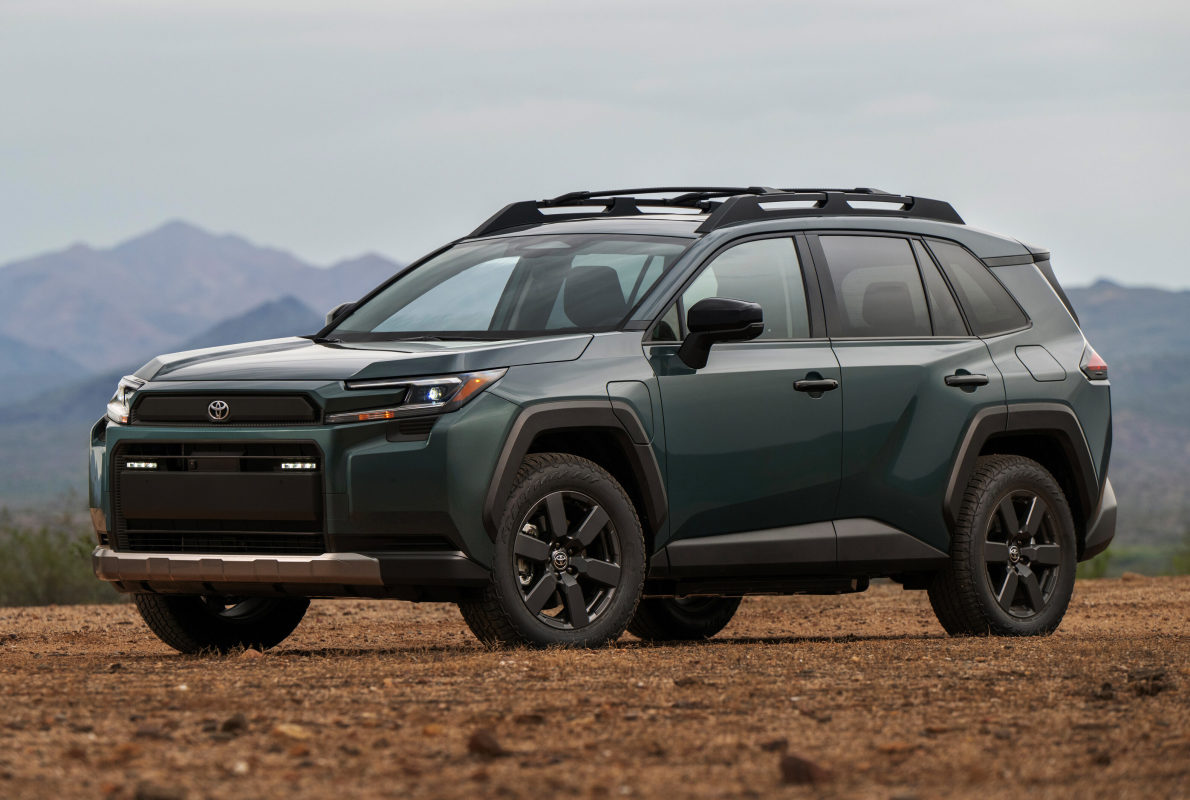
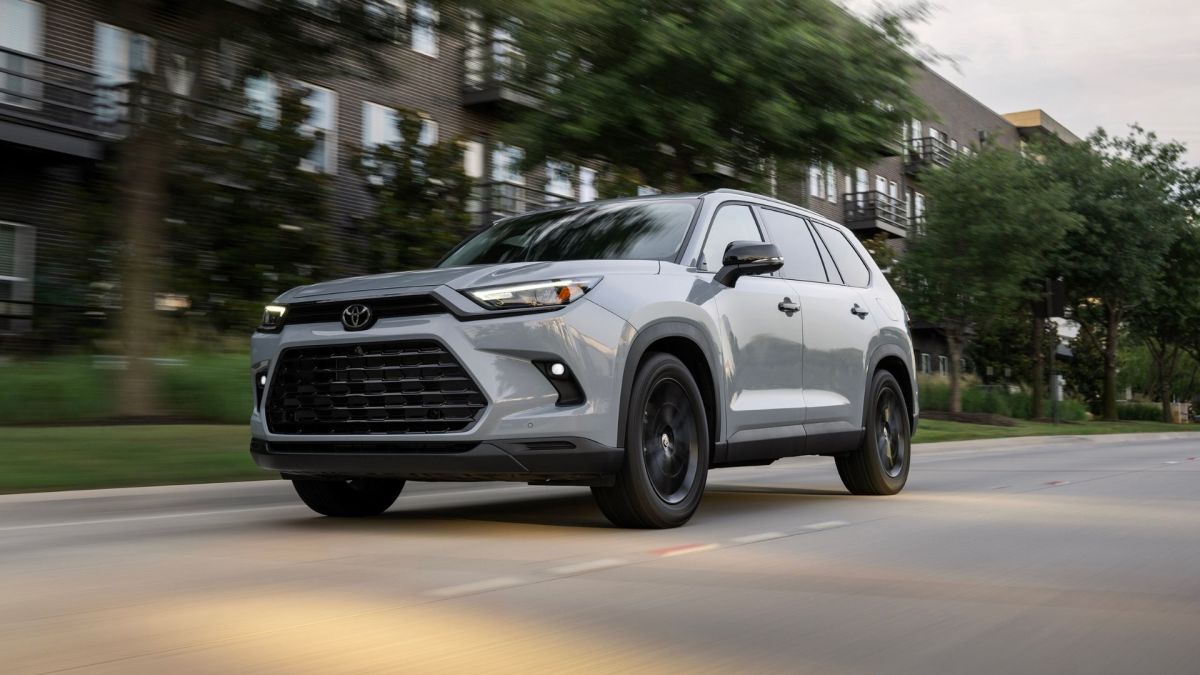
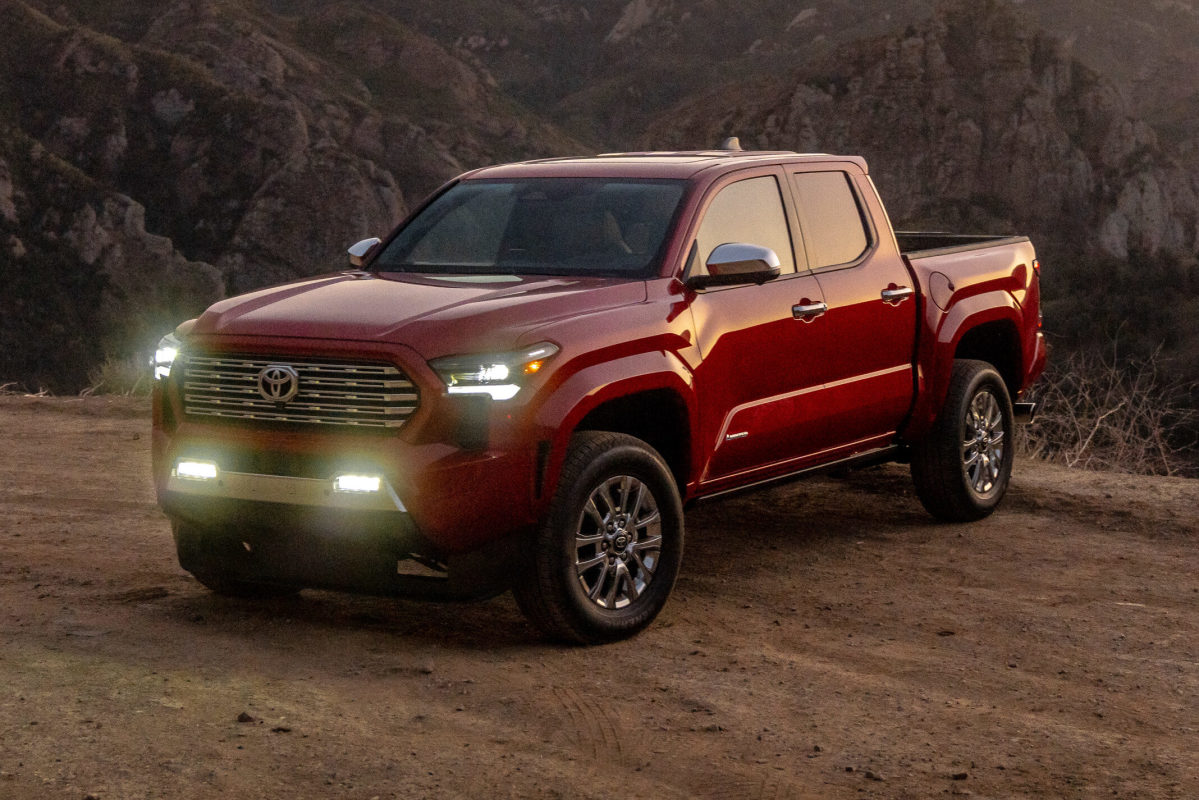
Toyota’s real advantage in 2025 was its ability to roll out hybrids across almost every major model. The brand just had its fourth-best sales year ever, and its best since 2017. Hybrids and other electrified Toyotas made up over 1.05 million units – 49 percent of the brand’s total sales. Key models like the RAV4, Tacoma, Grand Highlander, Corolla Cross, and several hybrid variants all set records in sales.
Tacoma sales shot up over 40 percent, and Grand Highlander numbers nearly doubled. Despite a new-generation model arriving, the RAV4 keeps its crown as the best-selling Toyota model, with 479,288 units sold, outpacing last year's sales by over 4,000 units.
Lexus also had a strong year, setting a new record with 370,260 vehicles sold. Electrified Lexus models hit 131,851 units, showing that buyers in the luxury segment are steadily choosing hybrids and plug-ins.
Toyota
Waning Demand Toward the End
Interestingly, electrified vehicle sales slipped 1.9 percent in the fourth quarter, and December was basically flat. Some hybrid and plug-in models also lost ground as inventory levels evened out and the initial rush of demand faded.
These softer patches hint that Toyota’s hybrid push is entering a new phase. The big question now isn’t whether buyers want hybrids – it’s how Toyota can sustain the progress while gradually adding more battery-electric models. The new battery plant in North Carolina and additional investment in US manufacturing show where things are headed for the marque, but right now, Toyota’s strategy is on the right track.
Toyota