One Wrong Move From Disaster
Tesla’s Full Self-Driving (FSD) system has faced widespread safety scrutiny, with some incidents escalating into lawsuits. However, a recent report by CBS Austin highlights a scenario in which the system appeared to perform effectively during a situation that could have otherwise turned fatal.
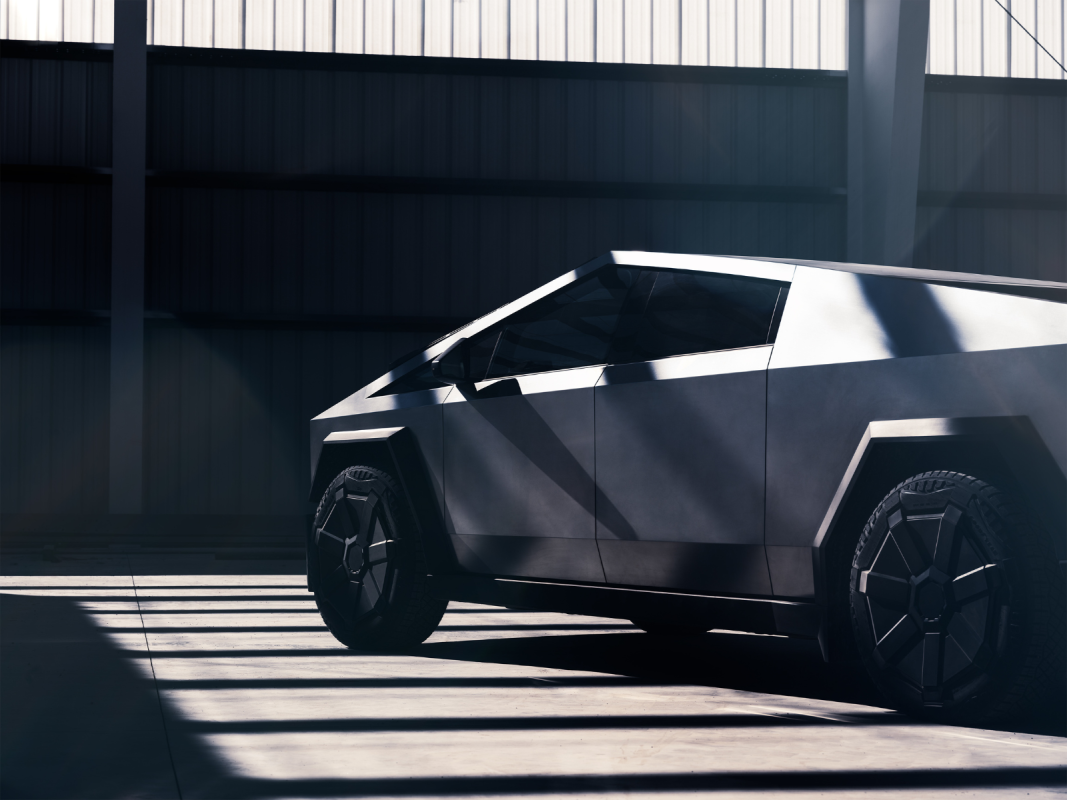
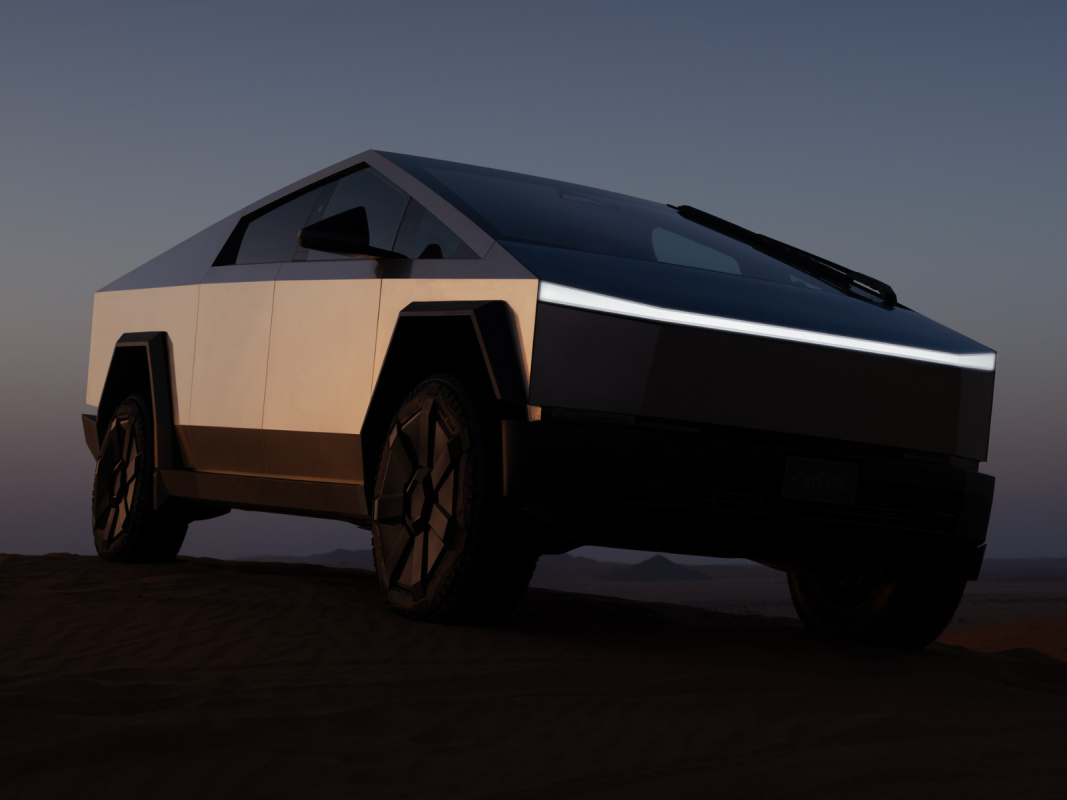
Clifford Lee, an owner of the all-electric Cybertruck, was traveling at approximately 75 mph on a two-lane stretch of Highway 54 in New Mexico when a pickup truck traveling in the opposite direction suddenly crossed into his lane. According to Lee, the FSD system reacted at the last moment, steering the Cybertruck toward a narrow gap near the guardrail. The margin for error was so small that the oncoming truck clipped the Cybertruck’s side mirror, though Lee escaped without injury.
A Closer Look
Tesla’s Full Self-Driving (FSD) system is an $8,000 option on the Model 3, Model Y, and Cybertruck, while the Model S and Model X, based on Tesla’s customer-facing website, already include it as part of the Luxe Package. The software builds on the standard Autopilot suite by adding features such as Navigate on Autopilot, Auto Lane Change, and Autopark.
Despite its name, FSD does not deliver true autonomous capability. The system is classified as an SAE Level 2 driver-assistance system—similar in classification to the likes of Ford's BlueCruise and General Motors' Super Cruise—which still requires constant driver attention and supervision. In this configuration, the technology functions strictly as a driving aid rather than a replacement for the driver. Even so, while Lee appeared visibly shaken by the incident, the FSD system was able to take control of the Cybertruck during the critical moment.
“I almost got killed,” Lee told CBS Austin. “I was shaking uncontrollably for a while.”
Software Continues to Evolve
The outcome carries a positive note as regulators continue to investigate FSD over safety concerns. Reported cases include Tesla vehicles with FSD engaged allegedly running red lights, as well as complaints involving vehicles entering opposing lanes. Some legacy automakers have also declined to license the system, which is reportedly tied more to the “Full Self-Driving” name, which critics argue is misleading.
The latest iteration, FSD v14.2.2, was rolled out in December 2025. The update reportedly improved several aspects of the system, including its neural network vision encoder—an AI-based driving component that converts camera feeds into structured data for driver-assistance functions.